The Everest Base Camp Trek is one of the world's most famous Himalayan trekking journeys. Located in Nepal's Khumbu region, the trek takes travelers through dramatic mountain landscapes, Sherpa villages, Buddhist monasteries, suspension bridges, and the spectacular surroundings of Mount Everest.
For many travelers, reaching Everest Base Camp is not simply about standing at the foot of the world's highest mountain. It is about experiencing the journey itself — walking through the heart of the Himalayas, meeting local communities, exploring mountain culture, and watching the landscape change as you gain altitude.
Why Trek to Everest Base Camp?
The Everest Base Camp Trek in Nepal offers a combination of natural beauty, culture, adventure, and personal challenge. The trail passes through the Sagarmatha National Park, a UNESCO World Heritage Site, and offers views of some of the world's most famous Himalayan peaks.
Along the route, trekkers encounter the famous Sherpa settlement of Namche Bazaar, the beautiful Tengboche Monastery, traditional villages such as Khumjung and Khunde, and the high-altitude settlements leading toward Everest Base Camp.
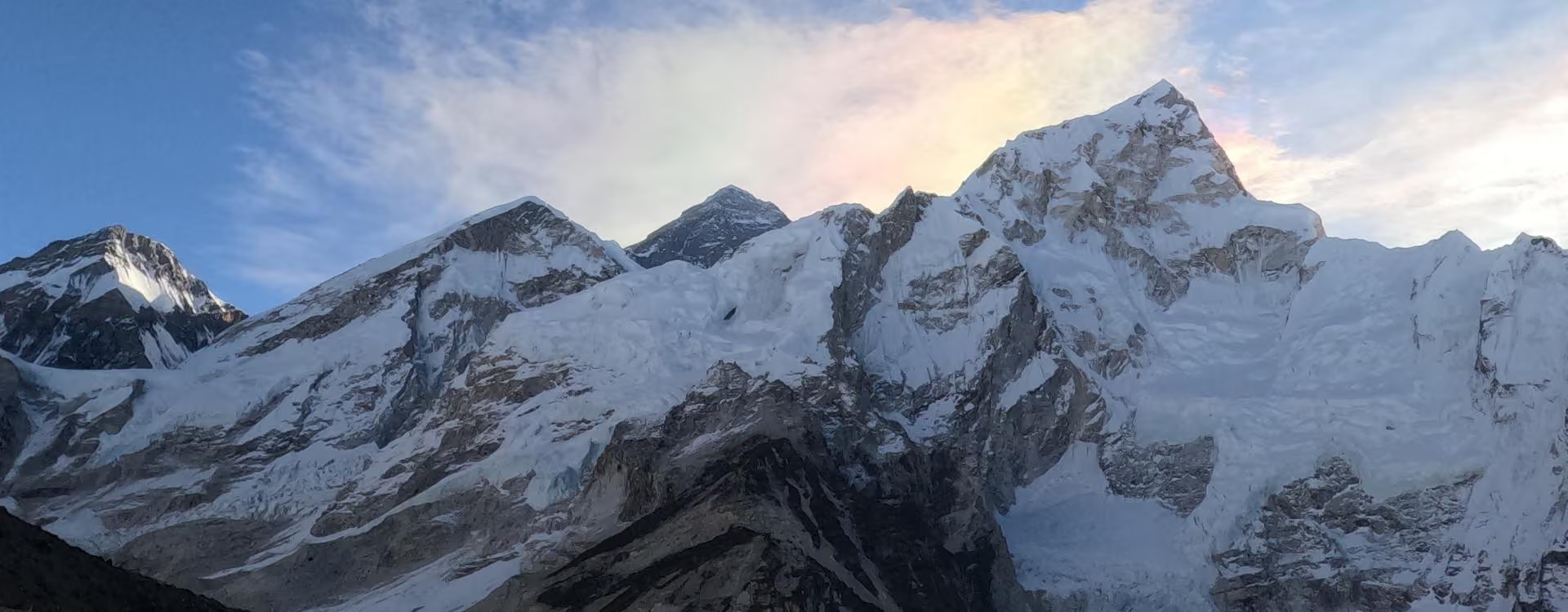
The journey also provides opportunities to see spectacular peaks including Mount Everest, Lhotse, Nuptse, Ama Dablam, and Thamserku.
Everest Base Camp Trek Route
The classic Everest Base Camp route generally begins at Lukla, often known as the gateway to the Everest region. From Lukla, the trail follows the Dudh Koshi valley toward Namche Bazaar.
A typical journey passes through destinations such as:
Lukla → Phakding → Namche Bazaar → Tengboche → Dingboche/Pheriche → Lobuche → Gorak Shep → Everest Base Camp
After reaching Everest Base Camp, many trekkers also hike to Kala Patthar for spectacular views of Mount Everest and the surrounding Himalayan peaks. Kala Patthar reaches approximately 5,545 meters.
The exact itinerary can vary depending on the trekking company, acclimatization requirements, weather, route conditions, and the traveler's pace.
Namche Bazaar: The Gateway to the Khumbu
Namche Bazaar is one of the most important stops on the Everest Base Camp Trek. Located at around 3,500 meters, it is a major Sherpa trading and tourism center and an important acclimatization point.
Many itineraries include an additional acclimatization day around Namche. Short hikes toward surrounding viewpoints and villages allow trekkers to gain altitude gradually while experiencing the local landscape and Sherpa culture.
Tengboche Monastery and Sherpa Culture
One of the cultural highlights of the Everest Trek is Tengboche. The famous Tengboche Monastery sits in a spectacular mountain setting with views toward Ama Dablam, Everest, and other Himalayan peaks.
The Everest region is deeply connected with Sherpa culture and Tibetan Buddhist traditions. Traveling through traditional villages and monasteries makes the trek more than a mountain journey — it becomes an opportunity to experience the culture and lifestyle of the Khumbu communities.
Everest Base Camp and Kala Patthar
As the trail climbs beyond Dingboche or Pheriche, the landscape becomes increasingly alpine. The route continues toward Lobuche and Gorak Shep, the final settlement before Everest Base Camp.
From Gorak Shep, trekkers continue toward Everest Base Camp, passing through the dramatic surroundings of the Khumbu Glacier. The final section requires careful walking because of the high-altitude terrain and glacier environment.
Many trekkers also make the early-morning climb to Kala Patthar, one of the classic viewpoints in the Everest region. From here, the Himalayan panorama provides a memorable perspective of Mount Everest and the surrounding peaks.
Best Time for Everest Base Camp Trek
Choosing the right Everest Base Camp Trek season is important for weather, visibility, and overall trekking conditions.
Nepal Tourism Board generally identifies September to November and February to May as favorable months for trekking because of generally fair daytime weather and suitable conditions.
However, conditions can change quickly in the mountains. Travelers should consider current weather, trail conditions, flight schedules, altitude, and seasonal conditions before beginning the trek.
How Difficult Is the Everest Base Camp Trek?
The Everest Base Camp Trek is a high-altitude trek and requires good preparation. It is not a technical mountain climb, but the combination of long walking days, steep sections, changing weather, and increasing altitude makes physical preparation important.
Altitude is one of the main challenges. Proper acclimatization is essential, and itineraries should include sufficient rest and acclimatization days rather than trying to reach high elevations too quickly.
If you experience symptoms that could indicate altitude illness, do not ignore them. Inform your guide and follow appropriate mountain-safety procedures.
What to Pack for Everest Base Camp Trek
A suitable packing list can make your Nepal trekking experience much more comfortable. Essential items commonly include:
- Good trekking boots
- Warm and layered clothing
- Waterproof jacket and trousers
- Thermal inner layers
- Warm hat and gloves
- Sunglasses and sunscreen
- Sleeping bag suitable for cold conditions
- Trekking poles
- Water bottle or hydration system
- Basic personal medicines
- Headlamp
- Power bank
- Small first-aid kit
- Personal documents and required permits
The exact equipment required depends on the season, itinerary, accommodation, and individual needs.
Permits and Trekking Requirements
Trekking in the Everest region involves required permits and documentation. Nepal Tourism Board's current information states that the Everest Base Camp Trek falls under routes where trekkers must be accompanied by a licensed trekking guide and carry an agency-issued TIMS card under the applicable TIMS provisions.
Travelers should always check the latest official requirements before departure because trekking regulations, fees, and procedures can change.
Is Everest Base Camp Trek Worth It?
For travelers who enjoy mountains, walking, culture, and adventure, the Everest Base Camp Trek offers a remarkable way to experience the Himalayas.
The journey is not only about reaching a destination. It is about walking through Sherpa villages, Buddhist monasteries, Himalayan valleys, mountain trails, and spectacular landscapes while gradually making your way toward the base of Mount Everest.
With the right preparation, realistic expectations, proper acclimatization, and responsible travel practices, the Everest Base Camp journey can become one of the most memorable travel experiences in Nepal.
Plan your Everest Base Camp Trek with Pakheraa Journeys and explore the mountains, culture, communities, and landscapes of the Everest region.
Frequently Asked Questions
How long does the Everest Base Camp Trek take?
The classic Everest Base Camp Trek is commonly planned as a roughly two-week trekking journey, although the exact duration varies depending on the itinerary, acclimatization days, transportation, weather, and route.
What is the best month for Everest Base Camp Trek?
Spring and autumn are popular trekking periods. Nepal Tourism Board identifies September–November and February–May among favorable trekking periods.
Do I need a guide for Everest Base Camp Trek?
Under the current Nepal Tourism Board TIMS provisions, Everest Base Camp Trek is among the routes requiring a licensed trekking guide and agency-issued TIMS card.
What is the highest point of the Everest Base Camp Trek?
The trek reaches Everest Base Camp, while many itineraries also include Kala Patthar at approximately 5,545 meters for panoramic mountain views.
Is Everest Base Camp Trek suitable for beginners?
It can be undertaken by people with little previous high-altitude trekking experience if they prepare properly, choose an appropriate itinerary, and follow acclimatization and safety guidance. Fitness requirements vary from person to person.
Can I trek to Everest Base Camp throughout the year?
Trekking conditions vary significantly by season. Winter can bring very cold conditions and snowfall at higher elevations, while monsoon weather can affect travel and trails. Checking current weather and route conditions before departure is important.
Plan Your Everest Base Camp Trek with Pakheraa Journeys
Ready to experience the legendary Everest Base Camp Trek? Plan your Himalayan adventure with Pakheraa Journeys and enjoy a carefully organized journey through the Everest region, including trekking arrangements, accommodation, transportation, permits, and local support.
Whether you are planning your first Himalayan trek or looking for a memorable adventure in Nepal, our team can help you choose the right itinerary based on your time, interests, and trekking experience.
Book your Everest Base Camp Trek with Pakheraa Journeys today and start your journey toward the heart of the Himalayas.